
Reflective Ceiling Plans
READING THEM, SPACING REQUIREMENTS, AND COORDINATING WITH HVAC

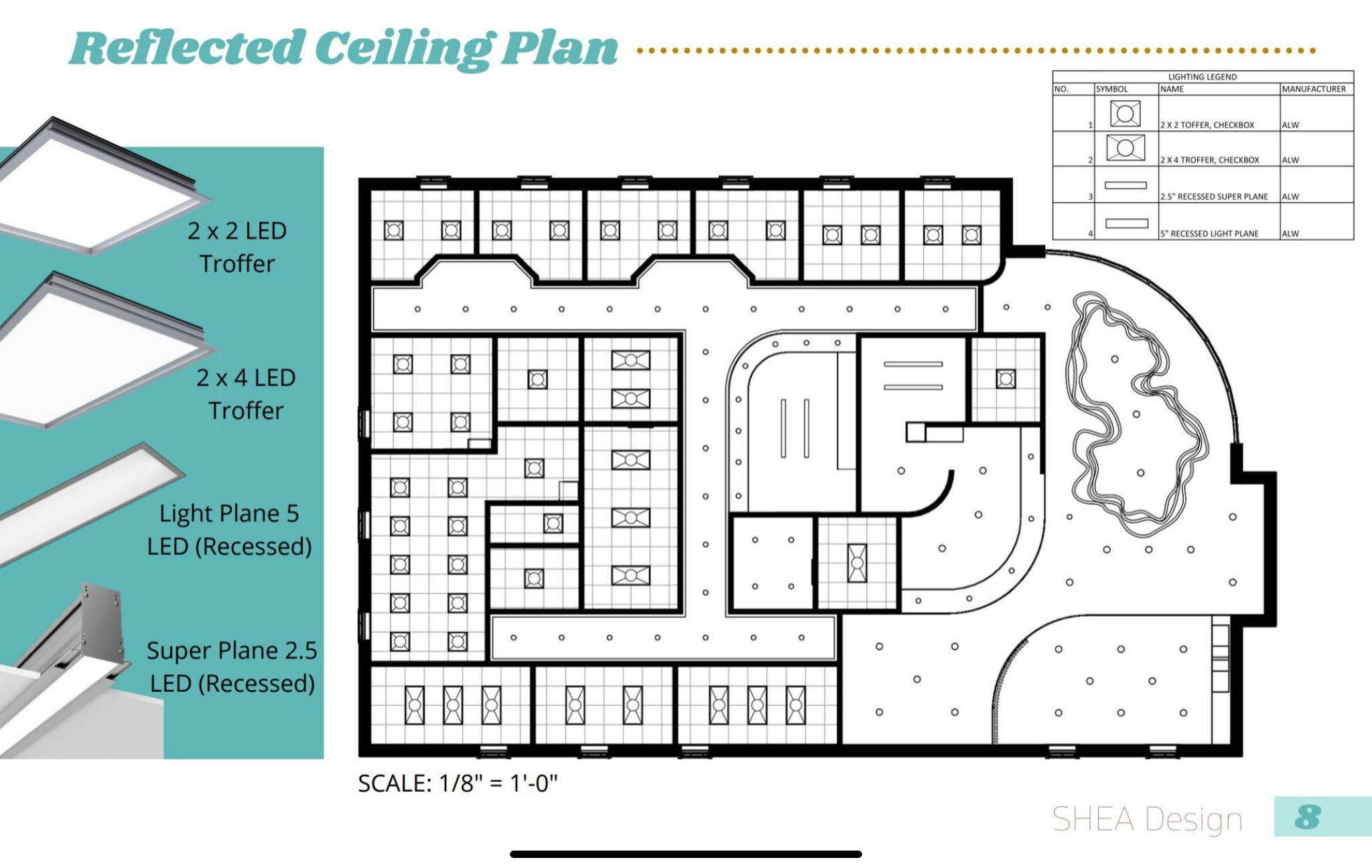
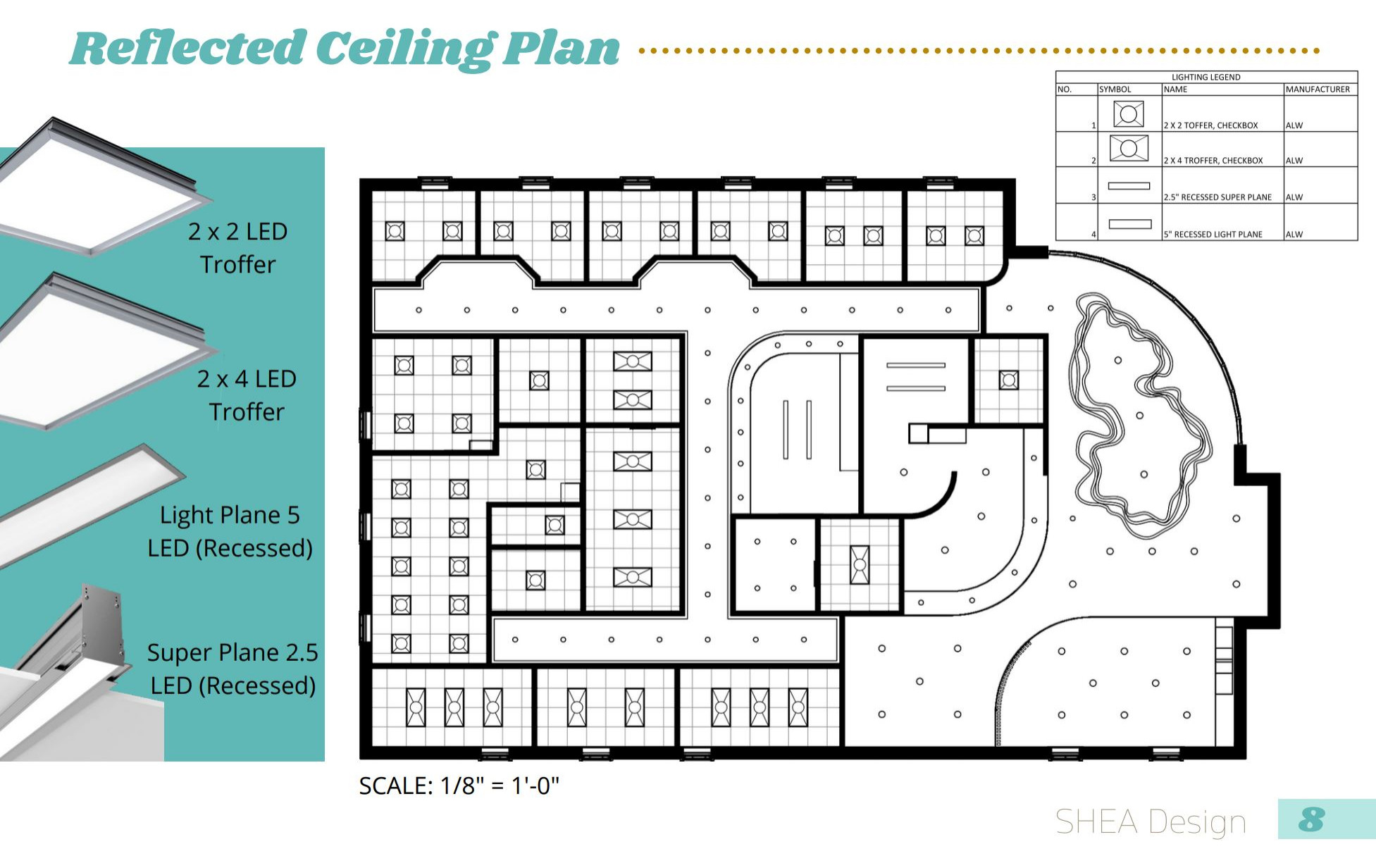
Reflective Ceiling Plans (RCPs) get their name from mimicking a mirror reflection of the ceiling layout projected onto what look like floor plans.
When reading RCPs, imagine hovering above the ceiling and looking at the features from an above view. If furniture is shown, it is marked by dotted lines to show it is on a different plane than the ceiling features.
RCPs contain the following information:
Ceiling height (AFF is Above Finished Floor)
Ceiling construction and material
Legend for symbols
Dimensions
Explanation of ceiling features
As electrical workers, we might reference reflective ceiling plans for the placement of sound equipment, emergency lighting, exit signs, security cameras, or smoke and fire alarm devices. The plans will have additional details relevant to other trades, like HVAC.
🔧 Coordinate with Other Trades
This is the part apprentices don’t learn until we get burned by it.
Always look for:
Sprinkler heads (because a strobe or speaker can’t go right next to one)
HVAC diffusers and returns (to avoid blowing air directly onto devices)
Ceiling grid layout (because devices get centered in the tiles unless the print says otherwise)
Access panels (should not get covered by other device)
This is where I start thinking like a mechanic, not just an installer.
🧱 Hard Lids vs. Drop Ceilings
Suspended ceilings are a common construction in educational, office, and commercial buildings. The reflective ceiling plan often shows what goes in each tile of the ceiling.
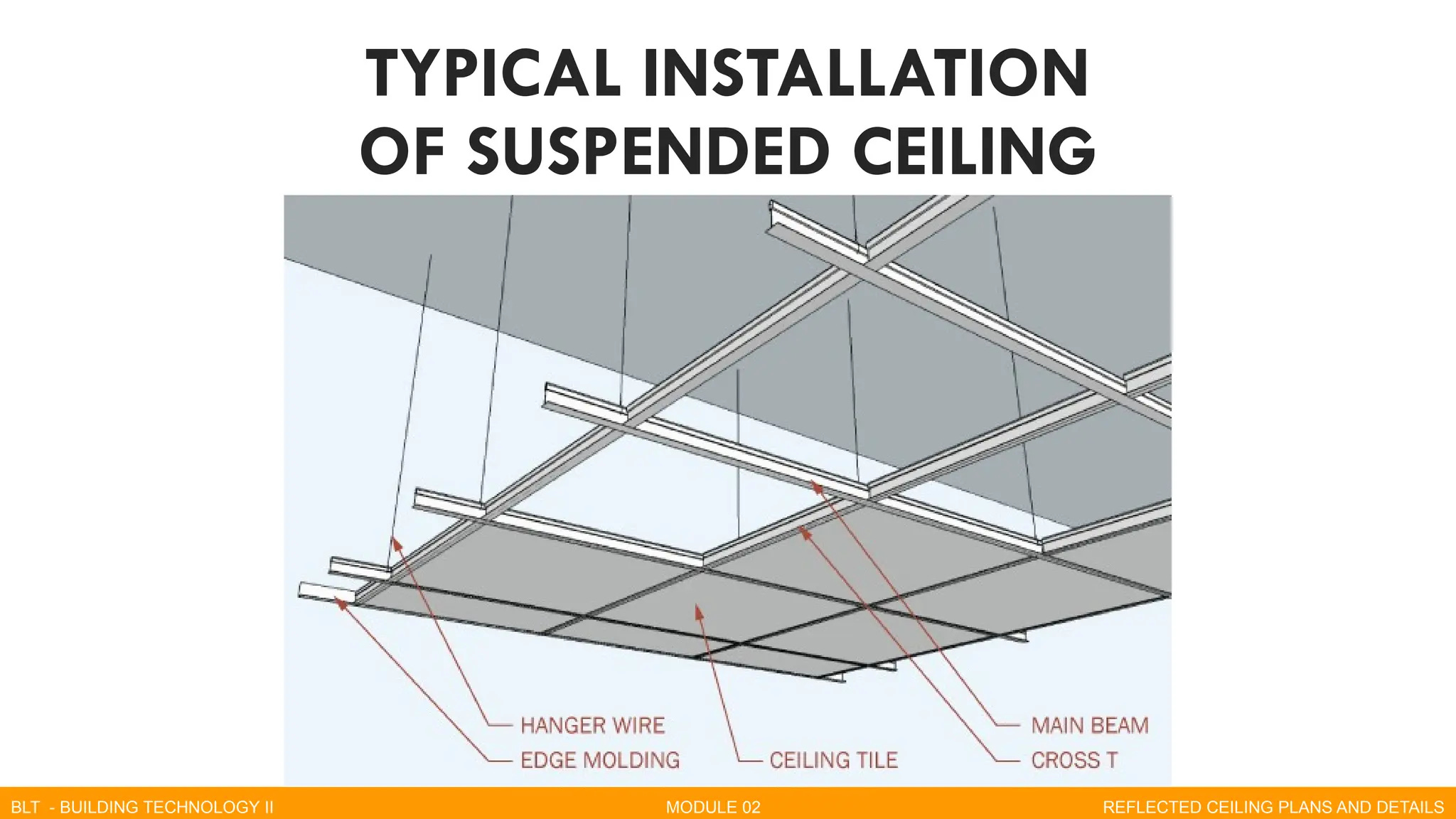
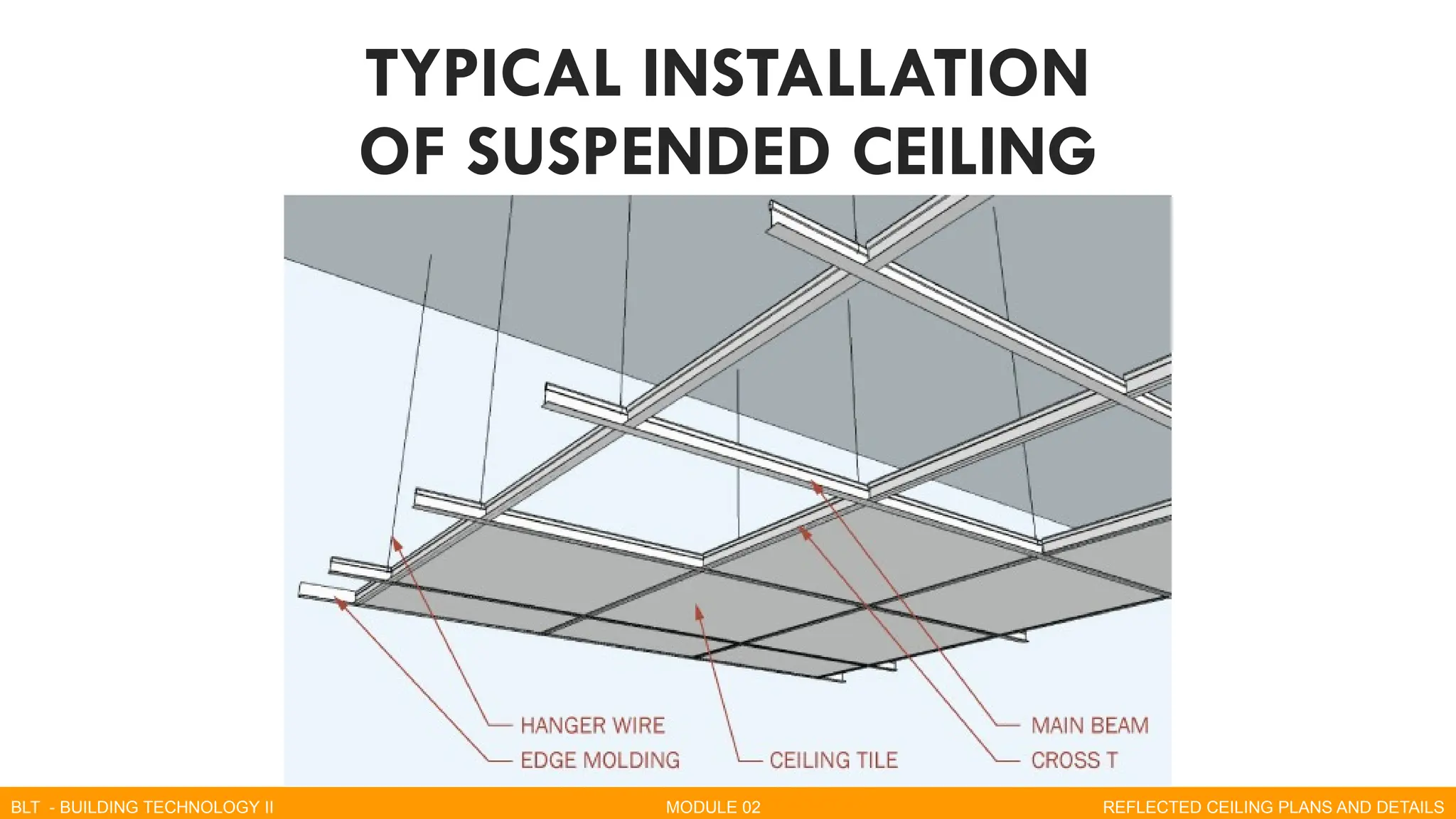
RCPs tell what type of ceiling we’re dealing with:
Drop Ceiling
Use grid brackets or Caddy clips
Box may be supported by 9‑wire
Easy to access above ceiling
Hard Lid
This refers to drywall ceilings.
Boxes must be roughed in before the ceiling is closed
You need exact measurements
No access later — mistakes are expensive
🔌 Fire Alarm Device Spacing
In regard to the fire alarm system, RCPs often show:
smoke detectors
heat detectors
horn/strobes
strobes
I need to know:
spacing rules
wall vs. ceiling mounting
ADA height requirements
clearances from obstructions or other features, like HVAC
Even if I’m not designing, I need to recognize when something looks wrong.
🧭 Coordination Amongst Construction Documents
RCPs don’t exist alone. I should always compare the RCPs with:
floor plans
electrical plans
device plans
Sometimes the device is shown on one but not the other. Sometimes the height is on the floor plan but the location is on the RCP. Cross‑checking is how I’ll avoid mistakes.
Keep in mind, every set of prints has a legend, but symbols vary by engineer, company, and project. As an apprentice, I need to learn to cross‑reference symbols and check for revisions to avoid installing something in the wrong spot.
Additionally, look at the notes, keynotes, and details for further reference. A lot of apprentices skip these. Mechanics don’t.